
Midfoot Reconstruction Nottingham – Advanced Foot Surgery Specialist
Do you experience chronic midfoot pain, instability, or difficulty walking due to deformities or injury? Midfoot reconstruction is a specialised surgical procedure that realigns and stabilises the midfoot bones to restore normal function and relieve pain.
Patients seeking midfoot reconstruction in Nottingham can benefit from advanced surgical techniques performed by a midfoot reconstruction surgeon in Nottingham, tailored to individual anatomy and condition severity. This page explains the causes of midfoot problems, assessment methods, treatment options, surgical procedures, rehabilitation, and long-term outcomes.
Whether due to trauma, congenital deformities, arthritis, or failed previous surgeries, expert midfoot reconstruction treatment in Nottingham ensures pain relief, improved mobility, and a return to daily activities.
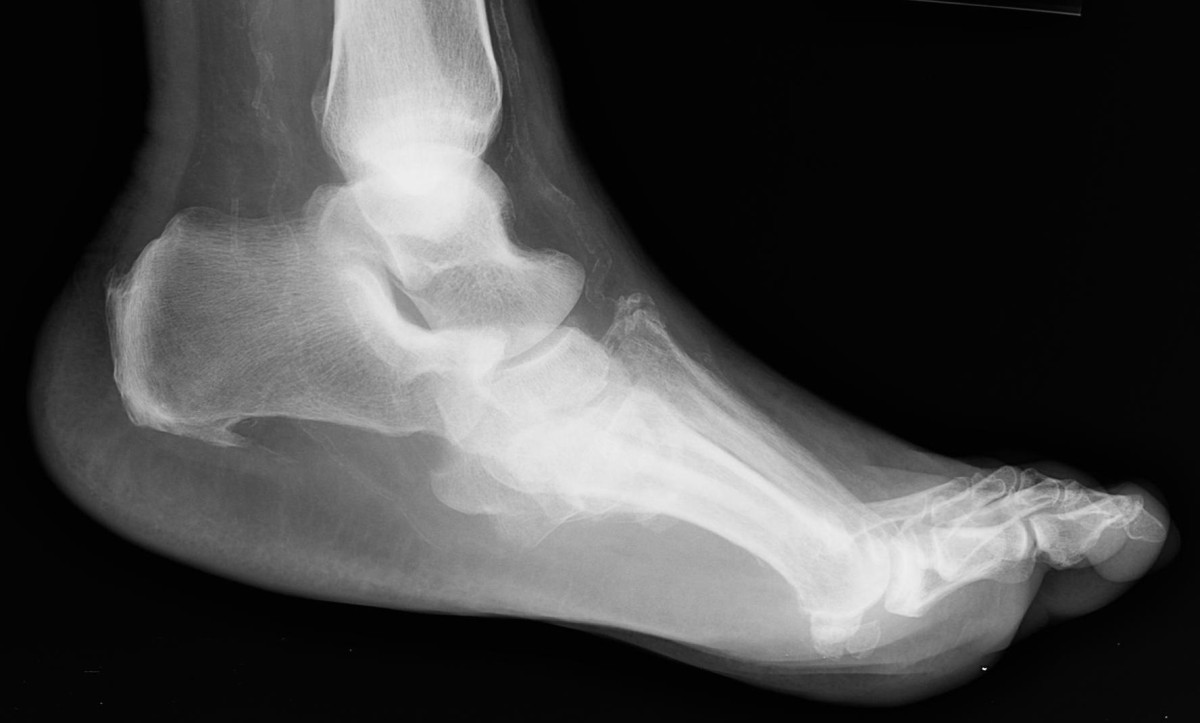
Understanding Midfoot Deformities
The midfoot comprises the arch of the foot, formed by five tarsal bones that support weight-bearing and absorb shock during movement.
Common Midfoot Conditions
- Collapse of the arch (flatfoot)
- Lisfranc injuries: fractures or dislocations of the midfoot joints
- Degenerative arthritis: often post-trauma or age-related
- Congenital deformities: structural abnormalities affecting gait and balance
When untreated, these conditions can lead to progressive deformity, chronic pain, gait instability, and secondary ankle or knee problems.
Causes and Risk Factors
Several factors contribute to midfoot deformities requiring reconstruction:
- Trauma: Falls, fractures, or sports injuries
- Degenerative arthritis: Cartilage loss causing joint collapse
- Congenital abnormalities: High arches or flatfoot deformities
- Previous surgery failure: Inadequate healing or misalignment
- Inflammatory conditions: Rheumatoid arthritis or Charcot arthropathy
A midfoot reconstruction surgeon in Nottingham evaluates these factors to develop a personalised treatment plan.
Diagnosis and Assessment
Accurate assessment is crucial for successful reconstruction:
- Clinical examination: Foot structure, gait analysis, and pain localisation
- Medical history: Prior injuries, surgeries, and chronic conditions
- Imaging studies: X-rays, CT scans, or MRI to evaluate bone alignment, joint integrity, and soft tissue condition
- Functional assessment: Determining how deformity affects walking, balance, and weight distribution
Early diagnosis ensures optimal surgical planning and improves long-term outcomes.
Non-Surgical Treatment Options
Conservative management is considered for mild deformities or as a preoperative measure:
- Orthotics and bracing: Support arch and redistribute pressure
- Physiotherapy: Strengthens foot muscles, improves stability, and reduces pain
- Activity modification: Avoiding high-impact activities that worsen symptoms
- Medication: Anti-inflammatory drugs or corticosteroid injections to manage pain
While these treatments may relieve discomfort, advanced deformities often require surgical intervention for long-term correction.
Surgical Midfoot Reconstruction Procedures
When conservative measures fail, midfoot reconstruction surgery restores alignment, stability, and function.
Common Techniques
- Osteotomy
- Surgical realignment of bones to correct deformity
- Fixation with screws or plates
- Arthrodesis (Fusion)
- Fusing midfoot joints to stabilise and relieve pain
- Often used in severe arthritis or collapse
- Ligament Reconstruction
- Repair or replacement of torn ligaments to restore stability
- Combined Procedures
- Osteotomy with fusion or ligament reconstruction for complex cases
Benefits of Surgery
- Pain relief and improved function
- Restoration of midfoot arch and alignment
- Enhanced mobility and gait stability
- Prevention of secondary joint degeneration
A midfoot reconstruction surgeon in Nottingham selects the optimal technique based on the patient’s anatomy, severity of deformity, and lifestyle needs.
Recovery and Rehabilitation
Recovery is crucial for achieving the best outcomes:
Immediate Post-Op Care
- Immobilisation using casts or boots for 6–8 weeks
- Elevation and icing to reduce swelling
- Pain management and infection prevention
Gradual Rehabilitation
- Physiotherapy to restore range of motion and strength
- Gradual weight-bearing under specialist guidance
- Use of custom orthotics for long-term support
Expected Timeline
- Most patients resume daily activities within 3–4 months
- Full recovery and return to high-impact activities in 6–9 months
- Regular follow-ups with a midfoot reconstruction surgeon in Nottingham ensure healing and prevent complications
Restore Foot Function Today
Book a consultation with a midfoot reconstruction surgeon in Nottingham for personalised evaluation and treatment planning.
Preventing Recurrence and Long-Term Care
Even after reconstruction, patients should adopt preventive strategies:
- Wear supportive footwear with appropriate arch support
- Maintain foot and ankle strength with exercises
- Avoid repetitive high-impact activities without proper preparation
- Schedule routine check-ups with a midfoot reconstruction treatment specialist
Proper care ensures the longevity of the surgical correction and prevents further deformities.
Patient Case Studies
Case Study 1:
A 35-year-old patient with post-traumatic midfoot collapse underwent osteotomy with joint fusion. Post-rehabilitation, the patient regained full mobility and returned to recreational sports within six months.
Case Study 2:
A 60-year-old patient with degenerative midfoot arthritis underwent arthrodesis with ligament reconstruction. Pain relief and improved walking comfort were achieved, and orthotics prevented recurrence of deformity.
Frequently Asked Questions
Q: Who is suitable for midfoot reconstruction surgery?
A: Patients with chronic midfoot pain, deformity, or instability not relieved by conservative treatment.
Q: How long is the recovery period?
A: Daily activities resume within 3–4 months; full functional recovery may take 6–9 months.
Q: Is the surgery painful?
A: Local or general anaesthesia ensures minimal pain during surgery; post-op discomfort is managed with medication.
Q: Can midfoot reconstruction prevent arthritis progression?
A: Yes, restoring alignment reduces abnormal joint stress and can prevent further degeneration.
Take the First Step
Expert midfoot reconstruction treatment in Nottingham ensures long-term pain relief, improved mobility, and functional recovery. Early intervention improves outcomes and quality of life.
CONCLUSION
Midfoot reconstruction in Nottingham is a specialised solution for chronic midfoot deformities, pain, and instability. By consulting a skilled midfoot reconstruction surgeon in Nottingham, patients receive personalised surgical care, effective rehabilitation, and long-term relief.
Early diagnosis, precise surgical technique, and ongoing follow-up are essential for optimal results. Restore foot alignment, relieve pain, and return to an active lifestyle with expert midfoot care.